
Dear…
Letters and Thank You notes. At times, they feel like the “proper” thing to send, while other times they are just what’s needed for a business inquiry or transaction. So many times, throughout the day, I find myself jumping on my email account, banging out some correspondence, reading a few text messages from family and friends, and then returning back to work, never really realizing the ease and power of communications we enjoy today. Never disconnected anymore, I was thinking about what it must have been like back in “the old days” when people could only write letters to stay in touch with on another. Reading letters from famous people in history tells so much about what was going on at the time, and the heartache and thoughts facing the writers – one of my favorites is when Grace Bedell told Lincoln to grow a beard, to hide his thin face – 1860 – and how she’ll vote for him.
I can remember writing letters almost daily to Jackie during the summers while we were “courting”, with the best part being receiving letters back from her almost daily as well! Of course, the classic: “How are you? I am fine” opening. Here’s some fun info about letters, format, etiquette, and where the letter format likely evolved from. Be sure to send me a “thank you” note or email if you enjoyed the post! Enjoy!
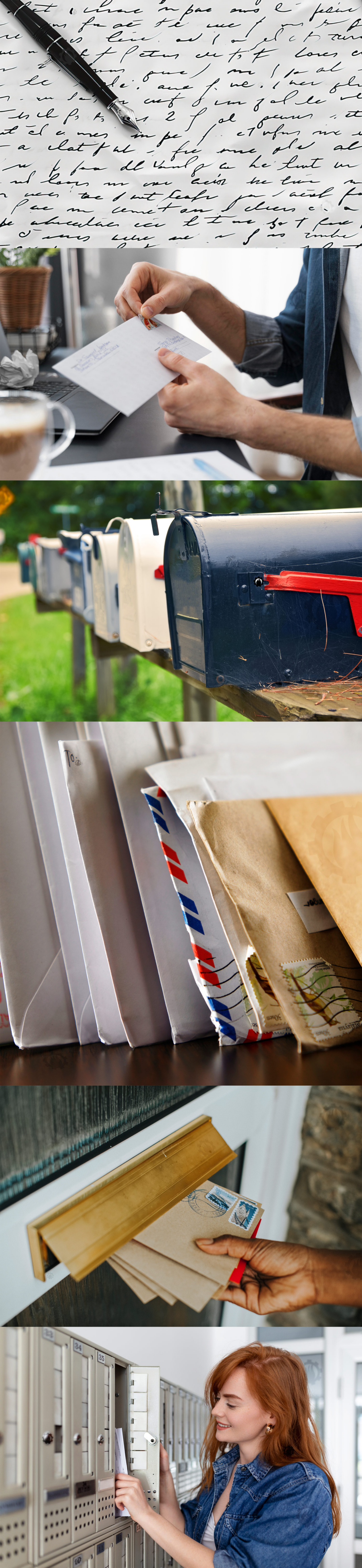
Why We Start with “Dear” – The word “dear” comes from the Old English deoare, meaning precious or valued. When it first appeared in letters in the 14th century, it was reserved for intimate correspondence—“dearest sister,” “my dear friend.” It carried genuine emotional weight. By the 17th century, that intimacy softened into courtesy. “Dear” became the standard opening for polite correspondence of all kinds, from love letters to legal notices. It no longer meant affection; it meant respect. That’s likely why “Dear” has never quite gone out of style. Even today, “Dear [Name]” quietly signals intention.
How we learned to write to one another—and why it still matters – “To Whom It May Concern” has a reputation problem. Today it sounds cold, bureaucratic, and faintly ominous—like a letter that’s about to explain why something has been denied. But historically, it wasn’t impersonal at all. It was practical. In earlier centuries, letters often traveled slowly, passed through multiple hands, or were meant to be presented to whoever held responsibility when the letter finally arrived. “To Whom It May Concern” simply meant: this message applies to the appropriate person, whoever that may be. It wasn’t distant—it was accurate. As communication sped up and organizations became easier to navigate, that accuracy began to feel like detachment. What once signaled flexibility started to signal generic effort. The phrase didn’t change; the world around it did. What is amazing is with many organizations (internet providers!) I have found myself going back to “To whom it may concern” due to lack of human interaction!
Before the Message Even Starts – Between “To Whom It May Concern” and “Dear,” you can see the beginnings of an unspoken system taking shape. Letter openings weren’t filler—they were orientation tools. They told the reader how to read what followed. Are we strangers or colleagues? Is this formal or familiar? Is this message transactional, personal, or procedural? Those questions were answered before the first sentence of the message itself. And in many ways, they still are—just faster and with fewer words.
A Natural Transition: If Tone Mattered, So Did Trust – Once a letter was written, there was another problem to solve: how to protect it. That’s where wax seals come in. Before envelopes became common, letters were folded in on themselves and sealed with melted wax. A seal served several important purposes. First, security. A broken seal was immediately obvious. Second, authentication. Seals were often stamped with a signet ring or emblem unique to a family, office, or ruler. Third, status. The size, color, and design of a wax seal communicated rank and importance. Red wax often signaled official or legal matters. Black wax could indicate mourning.
The Quiet Formula Behind Most Letters – As letter writing matured, a loose but durable structure emerged—one we still follow, often without realizing it: Opening → Context → Content → Closing. The opening established the relationship. The context explained why the letter existed. The content delivered the message. The closing reassured the reader that goodwill remained intact. This wasn’t about etiquette for etiquette’s sake. It was about reducing misunderstanding when clarification wasn’t easy. Even now, when the use of this structure is skipped—especially in professional settings—messages can feel abrupt or colder than intended, especially in emails (and don’t write emails in ALL CAPS!).
How Messages Land – Complimentary closes like “Sincerely,” “Yours truly,” and “Best regards” developed for the same reason openings did: tone control. “Sincerely” comes from the Latin sincerus, meaning pure or honest. Signing sincerely meant the writer stood behind their words. “Yours truly” once signaled loyalty. Many writers say “a closing is emotional landing gear. Without it, a message can feel like it ends mid-air.”
Thank-You Letters: The Tradition That Refused to Die – If any letter form has survived every technological shift, it’s the thank-you note. Historically, thank-you letters, expressed gratitude after moments of generosity, opportunity, or support. That logic hasn’t changed. Today, a handwritten thank-you feels more “weighty” because it costs time. A quick email or text still counts but communicates a different level of investment. Neither is wrong—they simply live on different points of the gratitude spectrum. I will say there is something special about receiving a hand-written “thank you” note in the mail these days as well as a thank you email.
Famous Thank-Yous and Acknowledgments – Some thank-you letters became history.
After the Gettysburg Address, Edward Everett – the event’s main speaker – wrote Abraham Lincoln to thank him, graciously admitting that Lincoln had expressed in two minutes what Everett had tried to say in two hours. It remains one of the most generous acknowledgments in American history.
Charles Darwin routinely wrote letters thanking fellow scientists for observations and specimens – gratitude that quietly fueled collaboration long before modern peer review.
Love Letters Filled With Emotion – letters never prevented passion, they just gave it a container. Here are two classics:
Napoleon Bonaparte’s letters to Joséphine were intense, romantic, and sometimes insecure.
I am struggling to get near you, I am dying to be by your side; fool that I am, I fail to realise how far off I am, that lands and provinces separate us. What an age it will be before you read these lines, the weak expressions of the fevered soul in which you reign. Ah, my winsome wife, I know not what fate awaits me, but if it keeps me much longer from you it will be unbearable—my strength will not last out. There was a time in which I prided myself on my strength, and, sometimes, when casting my eyes on the ills which men might do me, on the fate that destiny might have in store for me, I have gazed steadfastly on the most incredible misfortunes without a wrinkle on my brow or a vestige of surprise…
Beethoven’s famous letters to his “Immortal Beloved” remains one of history’s great unsent mysteries.
To face life, I must live altogether with you or never see you. Yes, I am resolved to be a wanderer abroad until I can fly to your arms and say that I have found my true home with you and enfolded in your arms can let my soul be wafted to the realm on blessed spirits–alas, unfortunately it must be so.
Emojis, Read Receipts, and the Modern Seal – Today, acknowledgments are compressed. A thumbs-up replaces “Received with thanks.” A heart emoji replaces a warm closing line. “Read” receipts confirm delivery the way a broken wax seal once did. Slack reactions, short videos, and voice notes are modern micro-rituals of tone and presence. Different tools, same instinct: *I see this. I got it. We’re good.”
How did you do on our last logo contest?
Check out our logo guide for the “A Capitol Idea” post here!




Leave a Reply
Want to join the discussion?Feel free to contribute!